
Your vehicle is one of your biggest investments, yet many drivers treat vehicle maintenance as an optional expense rather than essential protection. At LaMettry’s Collision, we’ve been serving Minnesota drivers since 1976, and we’ve seen countless cases where simple preventative auto repair could have saved customers hundreds or even thousands of dollars.
We want you to understand how regular vehicle maintenance protects both your wallet and your safety. The car service benefits extend far beyond just keeping your vehicle running; they can prevent accidents, reduce repair costs, and maintain your vehicle’s value for years to come.
The reality is stark: neglecting maintenance doesn’t save money; it costs money. Much more money than you’d spend on regular upkeep. We see the expensive consequences every day in our collision repair centers across Minnesota.
The True Cost of Skipping Maintenance
Vehicle maintenance might seem expensive when you’re looking at the immediate cost, but skipping it creates much larger financial burdens down the road. We regularly see customers who avoided a $200 brake service only to face $2,000 in collision repairs after brake failure caused an accident.
Engine problems from missed oil changes can cost $5,000 or more to repair. Transmission failures from neglected fluid changes often require complete replacement, running $3,000 to $6,000. These major repairs could have been prevented with routine maintenance costing a fraction of that amount.
Insurance claims from maintenance-related accidents also impact your premiums for years. A single claim can increase your rates by 20% or more, costing hundreds annually. The benefits of preventing such claims extend well beyond the immediate repair costs.
Common maintenance neglect consequences:
- Brake failure leading to collision damage
- Engine seizure from oil neglect
- Transmission failure from dirty fluid
- Tire blowouts causing loss of control
- Suspension problems affecting steering
We see these preventable problems regularly in our shops. Each one represents a case where preventative auto repair would have been much more cost-effective than the resulting damage.
Essential Maintenance That Prevents Major Problems
Understanding which maintenance tasks provide the biggest protection helps you prioritize your vehicle care budget. Some services prevent catastrophic failures, while others mainly affect performance and efficiency.
Oil changes represent the most critical vehicle maintenance task. Engine oil lubricates, cools, and cleans internal components. When oil breaks down or runs low, metal components grind against each other, creating heat and wear that can destroy an engine completely.
Brake system maintenance prevents both accidents and expensive repairs. Worn brake pads can damage rotors, requiring replacement of much more expensive components. More importantly, brake failure can cause accidents that result in injury and significant property damage.
Critical maintenance priorities by impact:
Maintenance Task | Failure Cost | Safety Impact | Prevention Cost |
|---|---|---|---|
Oil Changes | $3,000-$8,000 | Medium | $50-$80 |
Brake Service | $1,500-$3,000 | High | $200-$400 |
Tire Replacement | $800-$2,000 | High | $400-$800 |
Coolant System | $2,000-$5,000 | Low | $100-$200 |
The numbers speak for themselves. Regular vehicle maintenance costs a small fraction of the repair bills you’ll face when components fail.
How Brake Maintenance Saves Lives and Money
Brake system health directly impacts your safety and your wallet. We’ve seen too many accidents that could have been prevented with proper brake maintenance. The car service benefits here extend beyond just avoiding repair costs.

Brake pads wear gradually, but the rate accelerates once they reach a certain point. When pads wear down to the metal backing, they damage the brake rotors. Instead of a $200 pad replacement, you’re looking at $600-800 for pads and rotors together.
Warning signs of brake problems include squealing, grinding, or vibration when braking. A soft brake pedal or increased stopping distance also indicates problems that need immediate attention. Don’t ignore these signals; they’re telling you about potentially dangerous conditions.
Regular brake inspections catch problems before they become safety hazards. We recommend brake inspection every 12,000 miles or annually, whichever comes first. This simple check can identify wear patterns and potential problems early.
Brake maintenance timeline:
- Inspection every 12,000 miles
- Pad replacement every 25,000-70,000 miles
- Rotor service every 70,000-100,000 miles
- Brake fluid replacement every 2-3 years
- Complete system inspection annually
Following this schedule prevents both accidents and expensive repairs. The peace of mind knowing your brakes will work when you need them is priceless.
Engine Care That Prevents Catastrophic Failure
Engine maintenance represents the biggest potential savings in preventative auto repair. A well-maintained engine can run 200,000 miles or more. A neglected engine might fail at 80,000 miles, requiring replacement or extensive rebuilding.
Oil changes remain the foundation of engine care, but other services matter too. Air filter replacement ensures clean air reaches the engine. Dirty filters reduce performance and fuel economy while potentially allowing damaging particles into the engine.
Cooling system maintenance prevents overheating damage. When coolant becomes contaminated or loses effectiveness, engine temperatures rise. Overheating can warp cylinder heads, blow head gaskets, or crack engine blocks, all expensive repairs.
Engine maintenance schedule:
- Oil changes every 3,000-7,500 miles
- Air filter replacement every 15,000-30,000 miles
- Coolant system flush every 30,000-50,000 miles
- Spark plug replacement every 30,000-100,000 miles
- Belt and hose inspection every 15,000 miles
We’ve seen engines with 300,000+ miles that still run perfectly because their owners followed proper maintenance schedules. We’ve also seen engines fail at 60,000 miles due to neglect. The difference in total cost of ownership is enormous.
Transmission and Drivetrain Protection
Transmission repairs rank among the most expensive automotive services. A complete transmission rebuild or replacement can cost $3,000-6,000, sometimes more than the vehicle’s value. Yet transmission failure is largely preventable with proper vehicle maintenance.
Transmission fluid serves multiple purposes: it lubricates moving parts, transfers power, and helps cool the system. When fluid becomes contaminated or breaks down, it can’t perform these functions effectively. Components wear faster and eventually fail.
Automatic transmissions are particularly sensitive to fluid condition. Unlike engines, transmissions are sealed systems where fluid contamination builds up over time. Regular fluid changes remove these contaminants before they cause damage.
Signs of transmission problems include rough shifting, slipping, unusual noises, or fluid leaks. If you notice any of these symptoms, have your transmission inspected immediately. Early intervention can often prevent complete failure.
Manual transmissions generally require less maintenance but still benefit from periodic fluid changes. Clutch maintenance also affects transmission longevity in manual vehicles.
Tire Maintenance for Safety and Savings
Proper tire maintenance provides multiple car service benefits: improved safety, better fuel economy, and longer tire life. Neglected tires can fail catastrophically, causing accidents and expensive damage to your vehicle.
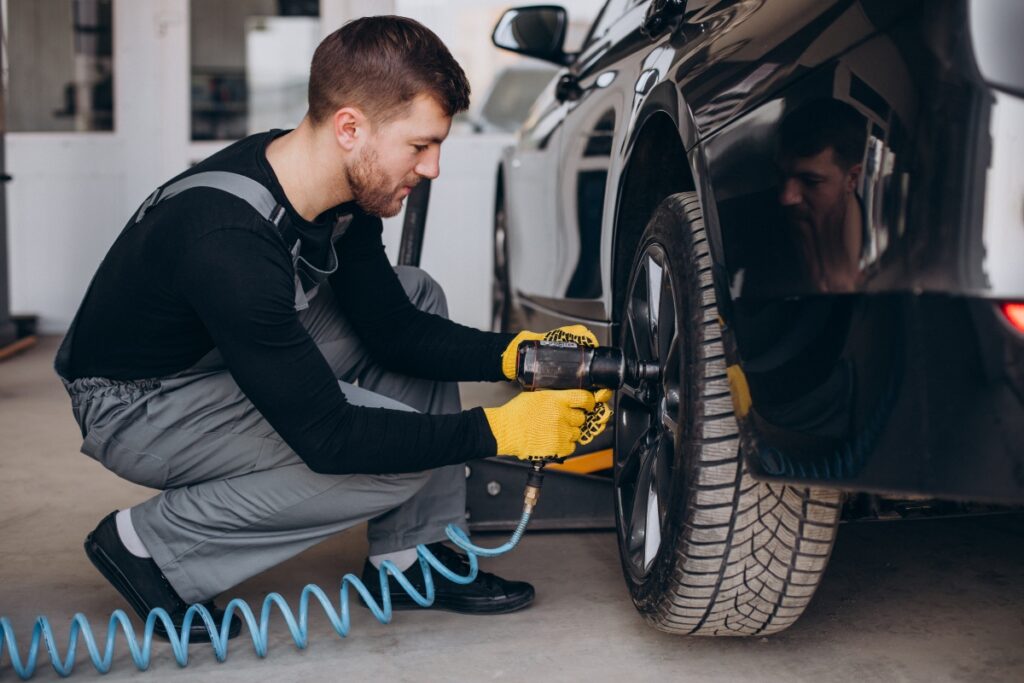
Tire pressure affects handling, fuel economy, and tire wear. Under-inflated tires generate excess heat that can cause blowouts. They also wear unevenly, requiring earlier replacement. Over-inflated tires provide less traction and wear the center tread prematurely.
Tire rotation ensures even wear across all four tires. Without rotation, some tires wear faster than others, forcing you to replace tires in pairs or individually rather than as a complete set. This costs more money and creates handling imbalances.
Monthly tire maintenance checklist:
- Check tire pressure when tires are cold
- Inspect for cuts, bulges, or unusual wear
- Look for objects embedded in treads
- Check tread depth with the penny test
- Examine sidewalls for cracking or damage
We recommend professional tire inspection every 6,000 miles along with rotation. This simple service can double tire life while maintaining optimal safety and performance.
Electrical System Care in Modern Vehicles
Today’s vehicles rely heavily on electrical systems for everything from engine management to safety features. Preventive auto repair for electrical components prevents both breakdowns and costly diagnoses.
Battery maintenance starts with keeping terminals clean and connections tight. Corrosion on battery terminals can prevent proper charging and starting. In extreme cases, poor connections can damage expensive electronic components.
Alternator health depends partly on battery condition. A failing battery forces the alternator to work harder, shortening its life. Similarly, a failing alternator can damage the battery and other electrical components.
Modern vehicles have complex wiring systems that benefit from periodic inspection. Road salt, moisture, and vibration can damage wiring over time. Early detection prevents component failures and potential fire hazards.
Electrical system warning signs:
- Dim or flickering lights
- Slow engine cranking
- Dashboard warning lights
- Electrical accessories are working intermittently
- Unusual smells from the engine bay
We see many electrical problems that started small but cascaded into major issues. Regular inspection and prompt attention to warning signs prevent most of these expensive failures.
Seasonal Maintenance Considerations
Minnesota’s extreme weather conditions require special attention to vehicle maintenance. Temperature swings from -20°F to 100°F stress every component in your vehicle. Preparing for seasonal changes prevents weather-related breakdowns and damage.
Winter preparation includes checking battery condition, testing the cooling system freeze protection, and ensuring heating systems work properly. Cold weather reduces battery capacity and thickens fluids, making engines harder to start.
Summer heat stresses cooling systems and air conditioning components. High temperatures can cause tire blowouts and battery failures. Ensuring proper coolant levels and tire pressure becomes critical during hot weather.
Spring maintenance focuses on winter damage assessment. Road salt corrodes metal components, while freeze-thaw cycles can damage seals and gaskets. Early spring inspection identifies problems before they cause failures.
Fall preparation includes checking heating systems, battery condition, and tire tread depth. Ensuring your vehicle is ready for winter conditions prevents dangerous breakdowns in cold weather.
The Safety Factor You Can’t Ignore
Beyond the financial benefits, vehicle maintenance directly impacts your safety and the safety of others on the road. Well-maintained vehicles stop better, steer more predictably, and are less likely to experience sudden failures.
Brake failures cause thousands of accidents annually. Tire blowouts lead to loss of control and serious crashes. Engine problems can leave you stranded in dangerous locations. These aren’t just inconveniences; they’re potentially life-threatening situations.
We’ve repaired vehicles involved in accidents caused by maintenance neglect. The human cost of these preventable crashes far exceeds any financial considerations. Regular vehicle maintenance is ultimately about protecting yourself and your loved ones.
Safety-critical maintenance areas:
- Braking system functionality
- Tire condition and pressure
- Steering and suspension components
- Lighting system operation
- Windshield and visibility equipment
Don’t gamble with safety to save money on maintenance. The car service benefits include peace of mind, knowing your vehicle will perform safely when you need it most.
Working with Professional Service Providers
Choosing the right service provider affects both the quality and cost of your vehicle maintenance. We recommend finding technicians who understand your specific vehicle and use quality parts and materials.
At LaMettry’s, our manufacturer-trained technicians understand the specific requirements of different makes and models. We use OEM parts when necessary and quality aftermarket components when appropriate. Our lifetime warranty on workmanship gives you confidence in our repairs.
Building a relationship with a trusted service provider provides several benefits. They understand your vehicle’s history and can spot developing problems early. They also provide honest recommendations about which services are necessary and which can wait.

Questions to ask potential service providers:
- What training do your technicians have?
- Do you use OEM or quality aftermarket parts?
- What warranty do you provide on work?
- Can you provide references from other customers?
- How do you handle insurance claims?
Quality service costs more upfront but saves money over time through better workmanship and longer-lasting repairs. Cheap repairs often become expensive when they fail prematurely.
Creating a Maintenance Budget and Schedule
Successful preventative auto repair requires planning and budgeting. We recommend setting aside money monthly for routine maintenance rather than trying to pay for everything at once.
Start by reviewing your vehicle’s maintenance schedule in the owner’s manual. This provides manufacturer recommendations for service intervals. Create a calendar showing when different services are due based on mileage and time.
Budget approximately $1,200-2,000 annually for routine maintenance on a typical vehicle. This might seem like a lot, but it’s much less than the cost of major repairs from neglect. High-mileage vehicles may require additional budget for more frequent services.
Annual maintenance budget breakdown:
- Oil changes (4-6 per year): $200-400
- Tire services and replacement: $300-600
- Brake system maintenance: $200-500
- Engine and transmission services: $300-600
- Miscellaneous inspections and repairs: $200-400
Track your maintenance expenses and vehicle performance. This helps you identify patterns and plan for upcoming services. Good records also help maintain warranty coverage and increase resale value.
Technology’s Role in Modern Maintenance
Today’s vehicles use sophisticated monitoring systems to track maintenance needs. Dashboard warning lights, oil life monitors, and diagnostic systems provide valuable information about your vehicle’s condition.
However, these systems supplement rather than replace regular inspections. They typically warn you after problems develop rather than preventing them. Professional inspection can identify developing issues before warning systems activate.
We use advanced diagnostic equipment to assess vehicle condition beyond what dashboard systems show. This helps us recommend preventative services that keep your vehicle running smoothly and safely.
Modern maintenance monitoring tools:
- Oil life monitoring systems
- Tire pressure monitoring systems
- Engine diagnostic computers
- Transmission temperature monitoring
- Battery condition sensors
Use these systems as guides, but don’t rely on them exclusively. Regular professional inspection provides the most comprehensive assessment of your vehicle’s maintenance needs.
Environmental Benefits of Proper Maintenance
Well-maintained vehicles produce fewer emissions and use resources more efficiently. Regular maintenance supports environmental protection while providing direct benefits to vehicle owners.

Clean air filters and properly tuned engines burn fuel more completely, reducing harmful emissions. Proper tire inflation improves fuel economy, reducing both costs and environmental impact. Regular oil changes prevent engine wear that increases emissions over time.
Preventive auto repair also reduces waste by extending vehicle life. A well-maintained vehicle can last 200,000+ miles, while neglected vehicles often require premature replacement. This reduces the environmental impact of manufacturing new vehicles.
The car service benefits extend beyond individual vehicles to community-wide environmental improvements. When more drivers maintain their vehicles properly, air quality improves for everyone.
Insurance and Warranty Considerations
Regular vehicle maintenance affects both insurance claims and warranty coverage. Many warranties require documented maintenance to remain valid. Skipping required services can void warranty protection just when you need it most.
Insurance companies may also consider maintenance history when processing claims. Evidence of proper maintenance can support your claim that an accident wasn’t caused by mechanical failure. Poor maintenance history might complicate claims or affect coverage.
We help customers document maintenance properly to protect warranty coverage and support insurance claims. Detailed records demonstrate responsible vehicle ownership and can prevent disputes with manufacturers or insurers.
Keep maintenance records organized and easily accessible. Digital photos of receipts and service records provide backup documentation that won’t fade or get lost.
Building Long-Term Vehicle Value
Regular vehicle maintenance preserves resale value and extends useful life. Well-maintained vehicles command higher prices and sell faster than neglected ones. The investment in maintenance pays returns when you sell or trade your vehicle.
Documented maintenance history reassures potential buyers that the vehicle has been cared for properly. This can add thousands to the resale value compared to similar vehicles without maintenance records.
We see the difference maintenance makes in vehicle condition and longevity every day. Vehicles with good maintenance histories typically need fewer repairs and last much longer than neglected ones.
Factors that affect resale value:
- Complete maintenance records
- Original equipment and quality replacements
- Proper storage and protection
- Prompt repair of damage
- Regular cleaning and detailing
Think of maintenance as protecting your investment rather than just preventing problems. The car service benefits include maintaining the value of one of your most expensive possessions.
Final Remarks
Regular vehicle maintenance isn’t just about avoiding breakdowns; it’s about protecting your investment, ensuring your safety, and saving substantial money over time. The car service benefits extend far beyond the immediate cost of routine services.
At LaMettry’s Collision, we’ve seen the consequences of both good and poor maintenance practices. Well-maintained vehicles last longer, cost less to operate, and provide safer, more reliable transportation. The choice between preventative auto repair and expensive emergency repairs is clear when you consider the total costs.
Don’t wait for problems to develop before taking action. Regular vehicle maintenance is the smartest investment you can make in your vehicle’s future performance, safety, and value.
Contact us today to develop a maintenance plan that protects both your vehicle and your budget for years to come.
Pricing estimates are approximate and may vary based on vehicle make, model, location, and current market conditions.